
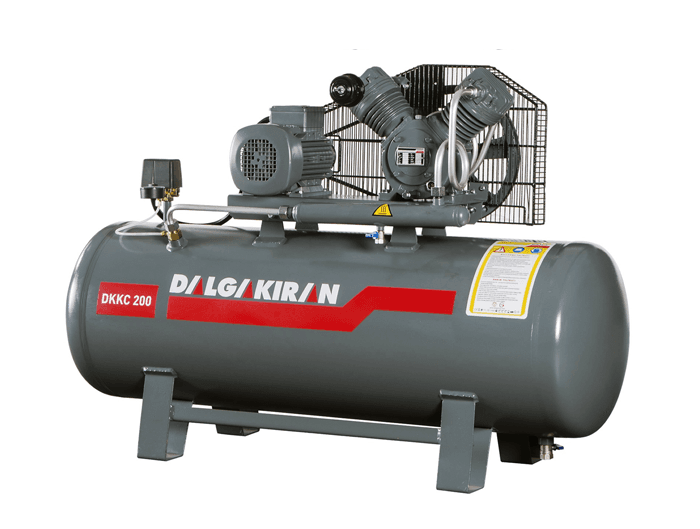
Compressor systems are considered the "heart of air" for industrial enterprises. Production lines, pneumatic equipment, and automation systems are often built on compressed air. For this reason, a compressor breakdown directly means a halt in production. Selecting the correct spare parts is of critical importance for the stable and long-term operation of the compressor. At AGA-TEK, we supply original and compatible spare parts for industrial enterprises, and in this article, we explain the main points to consider during selection.
🔧 1. Clarification of Model and Technical Specifications The first and most important step in choosing spare parts is the precise identification of:
- Compressor make and model
- Serial number
- Technical passport data
- Year of manufacture
Even within the same brand, different models may require different parts. An incorrect choice creates both compatibility issues and extra costs.
2. Original (OEM) or Equivalent Part? One of the main questions during selection is: OEM or alternative? ✅ OEM (Original Equipment Manufacturer)
- Original part from the factory manufacturer
- Maximum compatibility and warranty
- Long-lasting and stable performance
✅ Quality Equivalent
- More affordable price
- Alternative matching technical specifications
- Short-term or budget-based solution
For critical systems in industrial enterprises, OEM is usually recommended.
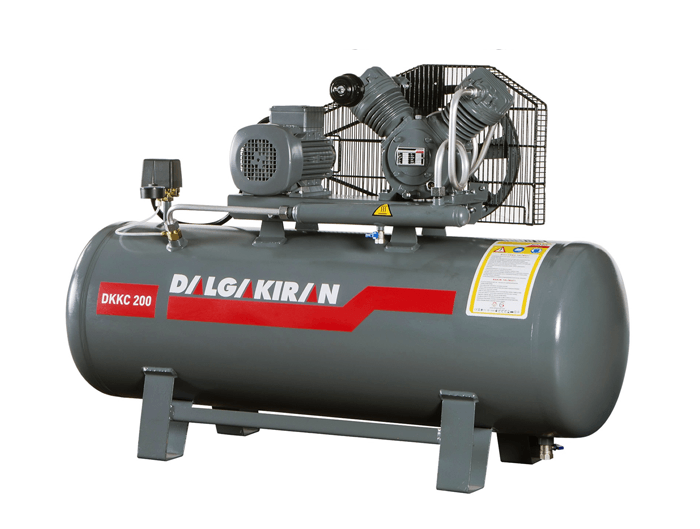
3. Most Frequently Replaced Compressor Parts The main parts regularly replaced in compressor systems:
- Air and oil filters
- Separator elements
- Oil and lubricants
- Belts
- Valves
- Bearings
- Sensors and pressure switches
Timely replacement of these parts preserves system efficiency.
4. Operating Conditions and Load Level When selecting spare parts, the environment in which the compressor operates must be considered:
- High temperature
- Dusty or humid environment
- 24/7 continuous operation mode
- High pressure load
Parts used in heavy industrial conditions must be more durable.
5. Replacement Interval and Preventive Maintenance Plan Planned maintenance: ✔ Prevents unexpected downtime ✔ Reduces the risk of major breakdowns ✔ Optimizes energy consumption
Spare parts should be replaced according to the interval recommended by the manufacturer, not only when they fail.
6. Risks of Incompatible Parts Incorrect or low-quality spare parts can cause:
- Pressure loss
- Increased energy consumption
- Damage to the compressor block
- Expensive major repairs
Short-term savings can turn into long-term major expenses.
7. Why is Supplier Selection Important? Prompt sourcing of compressor parts is especially critical when production has stopped. A reliable supplier:
- Searches accurately by part number
- Offers OEM and suitable alternatives
- Ensures fast logistics
- Advises on technical compatibility
AGA-TEK quickly supplies both standard and hard-to-find compressor parts in this field.
Practical Recommendation for Plants
- Always maintain a minimal stock of critical spare parts
- Establish a preventive service plan
- Monitor energy efficiency
- Work with a long-term supply partner