
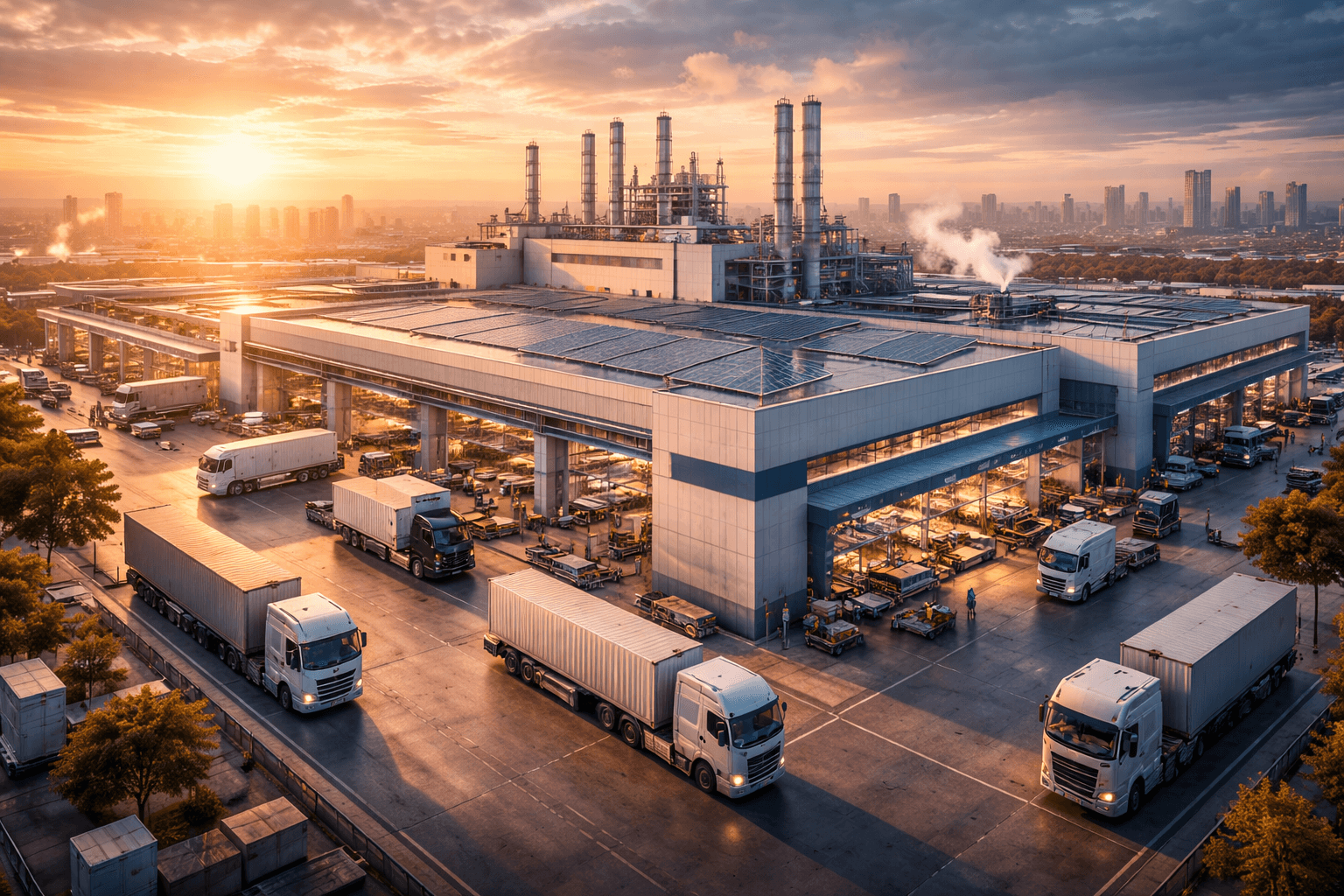
Logistics in the import of industrial equipment is not only a transportation process — it is a strategic element that directly affects the success of a project.
Delivery time, cost structure, and risk management depend on logistics decisions.
For companies operating in Azerbaijan, logistics becomes even more complex, especially when importing from China and European markets. If customs procedures, transportation routes, and documentation processes are not properly managed, serious delays and additional costs may occur.
Therefore, logistics planning should be established in advance and managed systematically.
The Role of Logistics in B2B Projects
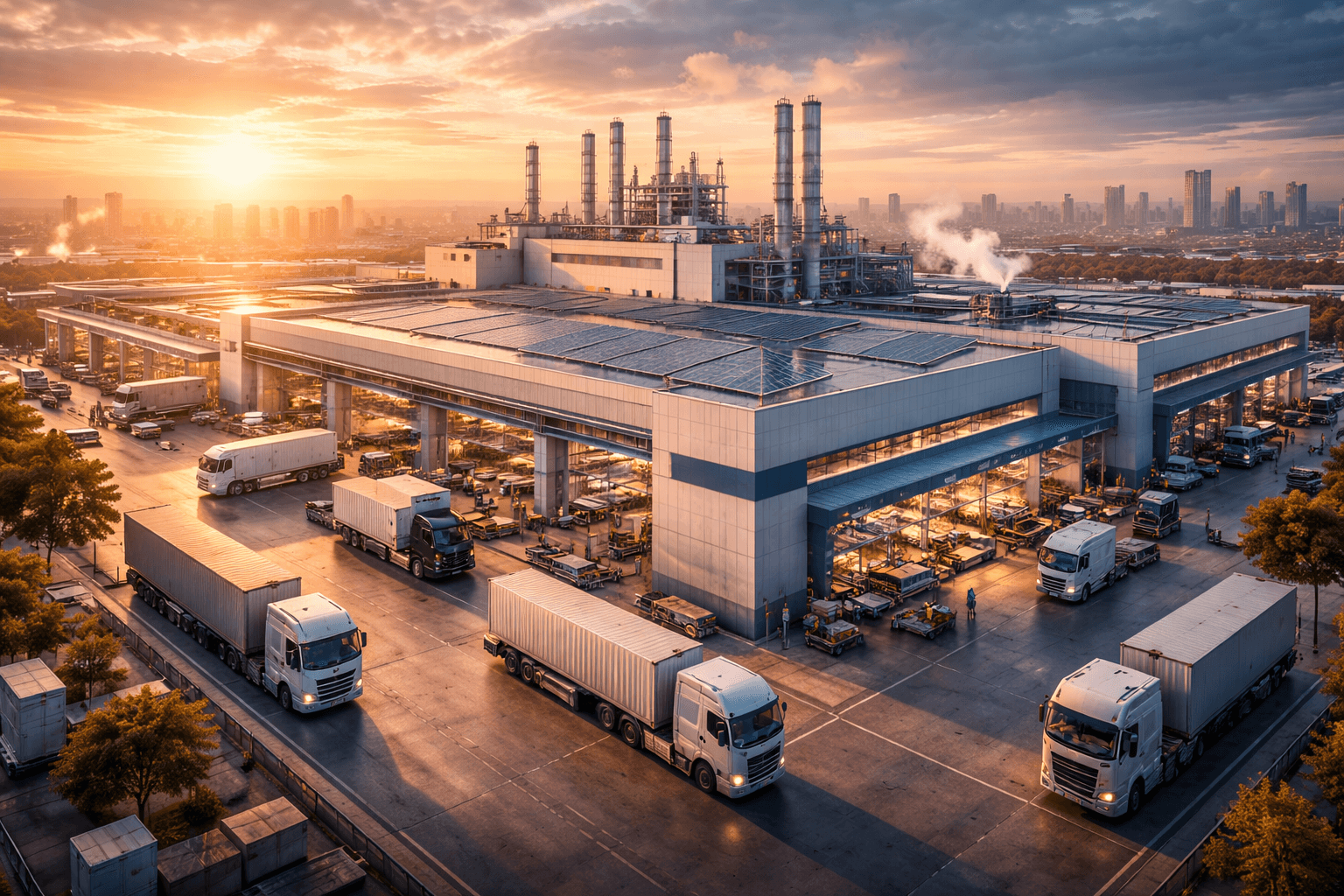
In B2B projects, logistics is not only about the “delivery” function. It directly affects the project timeline, budget, and overall efficiency.
For example, delayed delivery can postpone project implementation. This leads to additional financial losses.
On the other hand, properly planned logistics optimizes costs and minimizes risks.
Main Transportation Methods
Three main transportation methods are used for industrial equipment delivery.
Sea transportation is the most widely used option. It is the most cost-effective solution for large-volume shipments from an economic perspective. However, delivery times are longer.
Air transportation is faster but more expensive. It is used for urgent and small-volume shipments.
Land transportation is suitable for regional deliveries and provides greater flexibility.
Importance of Incoterms Conditions
Incoterms define the distribution of responsibilities in the logistics process. These terms determine how risks and costs are divided between the seller and the buyer.
Under EXW (Ex Works) terms, all logistics responsibilities are transferred to the buyer.
Under FOB (Free On Board) terms, the seller is responsible until the goods are loaded onto the vessel.
Under CIF (Cost, Insurance and Freight) terms, the seller provides transportation and insurance.
DDP (Delivered Duty Paid) is the most comprehensive model, where the seller manages the entire logistics process.
Choosing the right Incoterms condition plays a critical role in risk management.
Customs and Documentation
The customs process is one of the most sensitive stages of logistics. Proper preparation of documents helps prevent delays.
The main documents include:
- commercial invoice
- packing list
- certificate of origin
- transportation documents
Correct selection of the HS code is essential for proper application of duties and customs procedures.
Logistics Cost Management
Logistics costs are not limited only to transportation expenses.
They also include:
- insurance
- customs duties
- warehousing
- additional services
Effective planning allows these costs to be optimized.
Most Common Mistakes
Companies often consider logistics as the final stage of a project. However, it should be included in the initial planning process.
Another mistake is choosing logistics only based on price.
ARTEK Approach
ARTEK manages logistics as an integral part of the project.
Route selection, documentation, and risk analysis are carried out through a comprehensive approach.
Conclusion
When logistics is properly structured, project speed and efficiency increase.