
1 USD = N/A1 EUR = N/A1 CNY = N/A
0

From the industrial world news

Latest industrial trends, technological innovations and professional advice

Laboratory equipment: the right choice, technical requirements and supply strategy for business.
24.07.2026

Laboratory equipment: the right choice, technical requirements and supply strategy for business.

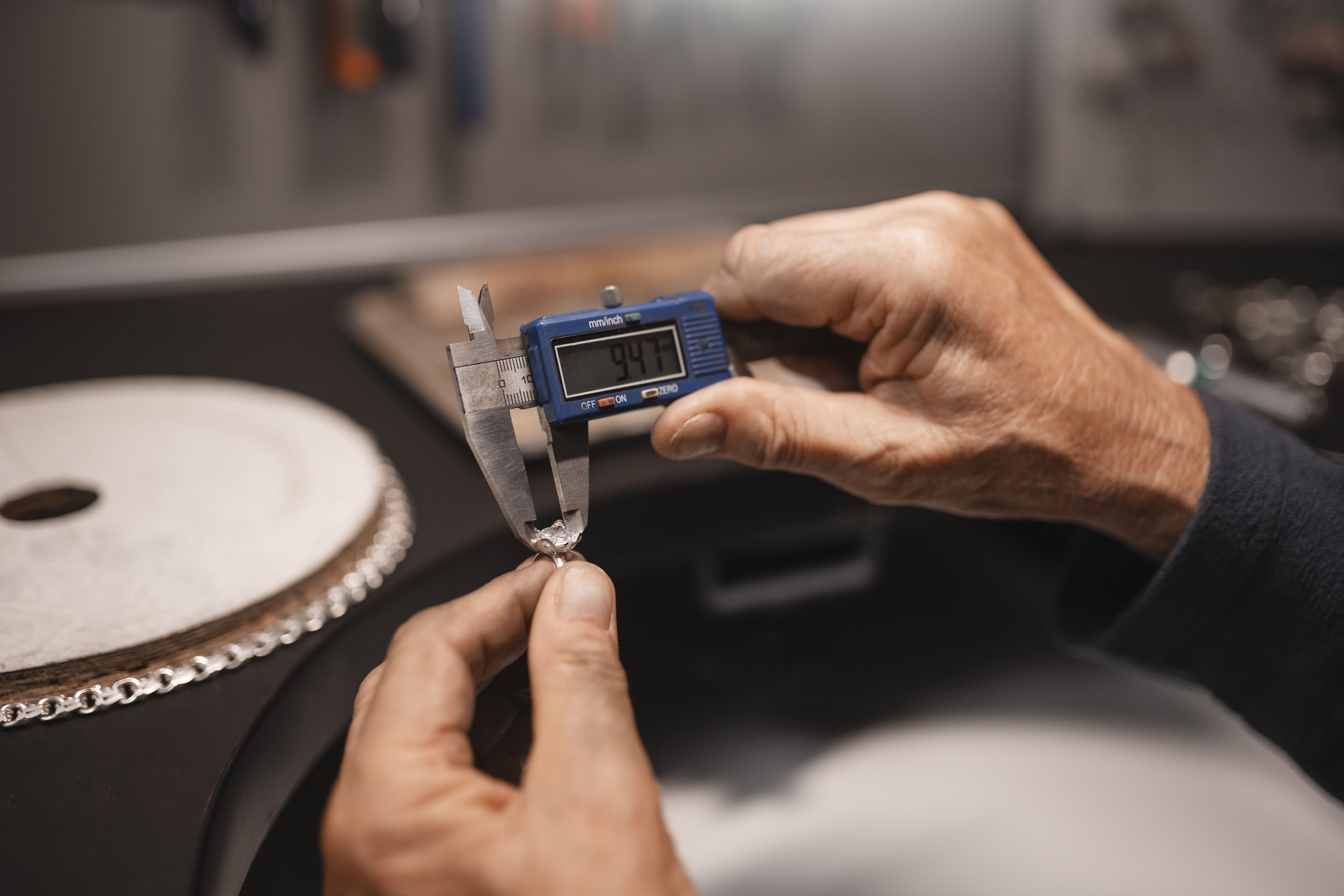
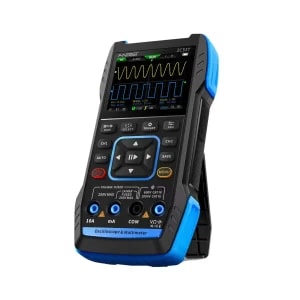
Laboratory equipment forms the fundamental technological basis of modern industry, medicine, energy, ecology and scientific research. These devices are more than just devices for measurement and analysis; they are essential tools that form the basis of the decision-making process. Laboratory infrastructure in Azerbaijan has been developing significantly in recent years. State projects, private sector investments and industrial diversification are increasing the demand for laboratory equipment. The role of accurate analysis is especially important in the oil and gas, food, pharmaceutical and construction industries. However, unlike other industrial equipment, the selection of laboratory equipment requires higher accuracy, compliance with standards and long-term stability. An incorrectly selected device can lead not only to financial losses, but also to incorrect analytical results and, as a result, to incorrect strategic decisions. Main categories of laboratory equipment Laboratory equipment is divided into several main groups according to its functional purpose, and each group requires a different technical approach. Analytical equipment forms the basis of the laboratory. This category includes spectrometers, chromatographs, analyzers and other high-precision measuring instruments. These instruments are used to conduct chemical, physical and biological analyzes and require high-precision calibration. Sample preparation and processing equipment prepares samples for analysis. This includes centrifuges, mixers, drying ovens and homogenizers. This equipment has a direct impact on the accuracy of analytical results. Equipment for maintaining and protecting environmental conditions ensures stable laboratory conditions. This category includes refrigerators, freezers, incubators and climate chambers. In addition, measuring and calibration devices, safety systems and laboratory furniture are also integral parts of the overall infrastructure. Key criteria in technical selection Since the selection of laboratory equipment requires high accuracy and compatibility, the technical approach is particularly important. The most important factor is measurement accuracy. Even minimal deviations in analytical instruments can affect the reliability of results. Therefore, it is necessary to check the compliance of the instruments with international standards. Another important factor is the ability to calibrate. Instruments should be calibrated periodically and technical support should be available for this process. Operating conditions should also be taken into account when selecting. Factors such as temperature, humidity and vibration can affect the operation of the instrument. Software and interface compatibility are also important. Since modern laboratories operate with digital systems, devices must be able to integrate with LIMS and other systems.
Read more
Guide to Selecting Adjustable Laboratory Power Supplies
10.06.2026

Guide to Selecting Adjustable Laboratory Power Supplies

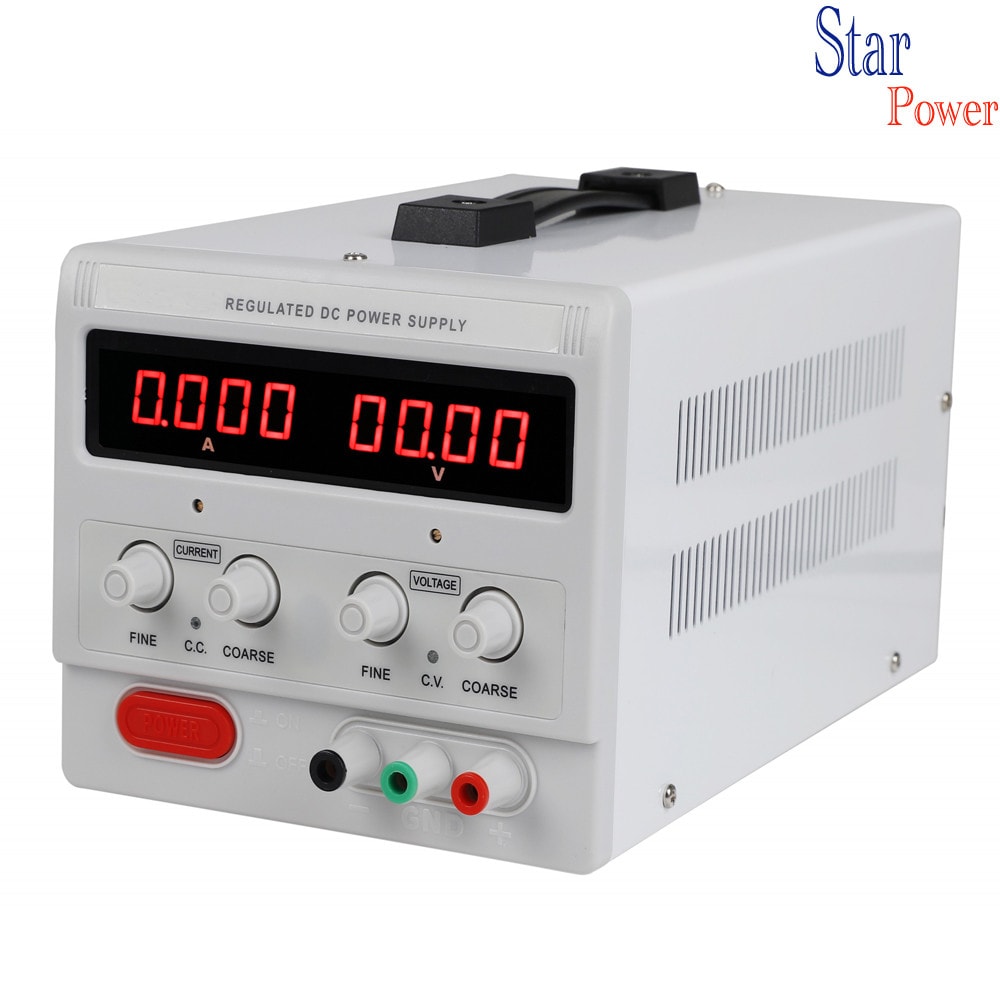
Every electronics workshop or mobile phone repair center should have an adjustable voltage source on its workbench. When a device brought in for repair does not have its original battery or adapter, a professional laboratory power supply is used to power it on and monitor current leakage in the circuit.For beginners entering the electronics field in Baku or professionals establishing a service center, choosing the right equipment helps prevent unnecessary financial losses.

Read more
LCR Meters and Spectrum Analyzers: Precise Measurement
10.06.2026

LCR Meters and Spectrum Analyzers: Precise Measurement

When working in the fields of high-frequency electronics, telecommunications, and microchip design, the nominal value of each component and signal quality are critically important. Standard multimeters cannot accurately measure the internal resistance of capacitors or the inductance of coils.For professional engineers, LCR meter sales and selecting a spectrum analyzer for analyzing radio-frequency environments are essential requirements.

Read more
Signal Analysis with Digital Oscilloscopes
10.06.2026

Signal Analysis with Digital Oscilloscopes

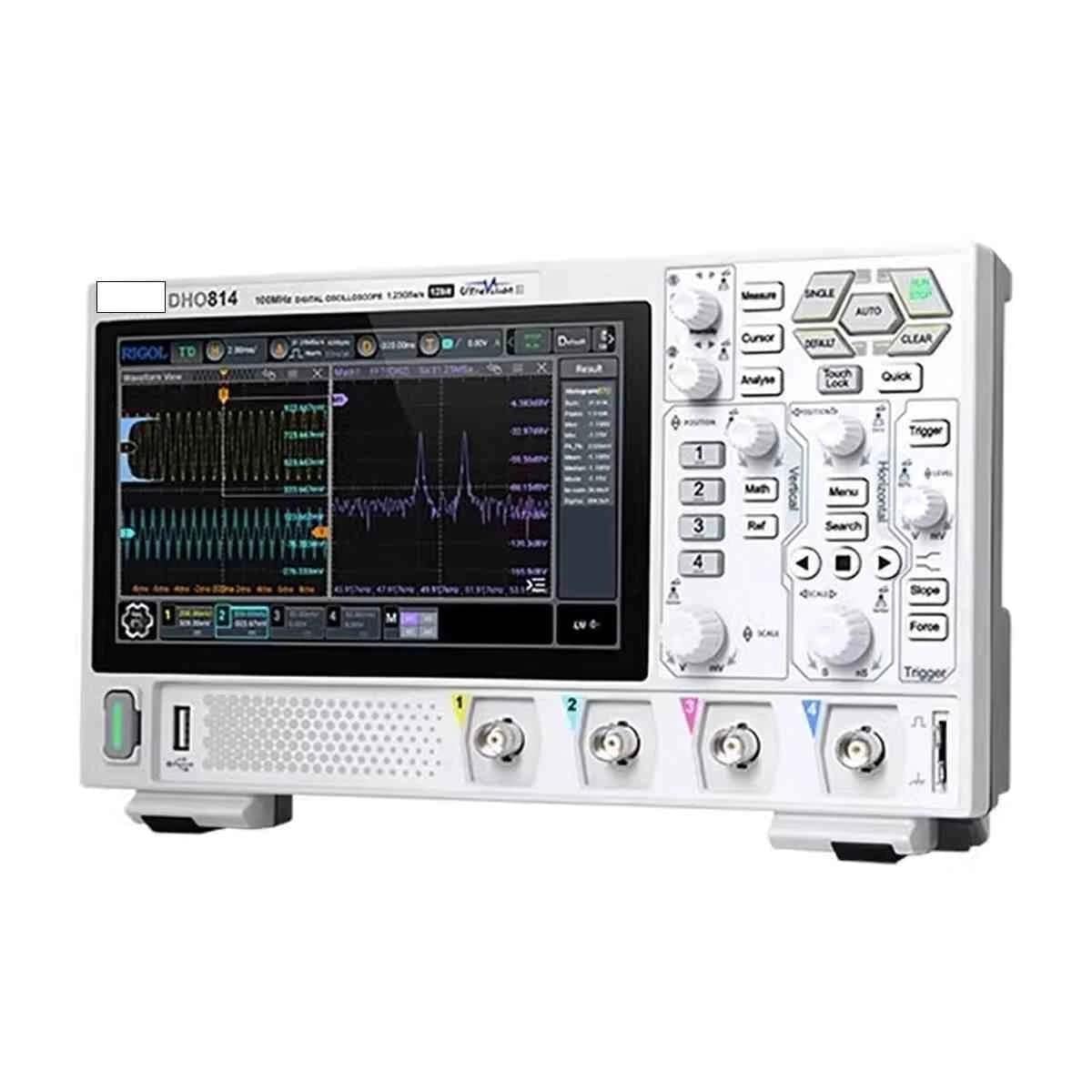
In the repair of electronic circuits, motherboards, and frequency modules, basic measuring tools are sometimes insufficient. A multimeter only shows the average digital voltage value in a circuit, but it cannot reveal instant signal interruptions, electrical noise, and harmonics occurring within the waveform.For this reason, digital oscilloscope sales and proper usage methods are important topics for engineering centers seeking professional diagnostics.For those who want to establish a professional laboratory in Baku, oscilloscope prices in the Baku market vary depending on technical specifications and performance parameters.

Read more
FAQ (Frequently Asked Questions)
03.05.2026

FAQ (Frequently Asked Questions)

1. Engineering and Laboratory FAQQuestion: Is the "True RMS" function a must when buying a multimeter?Answer: Yes, True RMS is important, especially if you are repairing modern electronic devices (computer power supplies, LED drivers). Standard multimeters can measure non-sinusoidal signals with an error of up to 40%, while True RMS gives an accurate result.Question: Can isopropyl alcohol (IPA) harm motherboards when cleaning them?Answer: No, on the contrary. IPA, which is 99.9% pure, is the safest cleaner for electronics. It does not harm plastic and metal parts and evaporates quickly, eliminating the risk of short circuits.Question: How important is bandwidth when choosing an oscilloscope?Answer: Bandwidth determines the maximum signal frequency that the device can measure. For example, a 100MHz oscilloscope is ideal for viewing signals of 20-30MHz with full accuracy. It is recommended to choose a device with a bandwidth at least 3-5 times greater than the frequency of the signal you will be working with.

Read more
The World of Measuring Instruments: Choosing a Multimeter, Oscilloscope, and Spectrum Analyzer
03.05.2026

The World of Measuring Instruments: Choosing a Multimeter, Oscilloscope, and Spectrum Analyzer

1. Multimeters: Go beyond voltageWhile a simple multimeter only measures voltage and resistance, professional Artek devices are equipped with True RMS technology.What is True RMS? Standard multimeters are designed to measure pure sine waves. However, modern power supplies (SMPS) generate non-sinusoidal signals. True RMS devices allow you to measure these signals with 100% accuracy.Safety class: Devices that comply with CAT III and CAT IV standards protect the engineer's life when working on high-voltage circuits.

Read more
Measurement Instruments: From Multimeters to Calibrators
11.02.2026

Measurement Instruments: From Multimeters to Calibrators

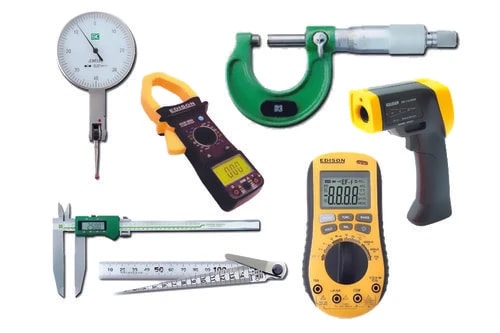
In industrial, energy, laboratory, and IT infrastructure environments, accurate measurement is the foundation of safety, quality, and system reliability. Incorrect measurement results can lead to equipment failures, production errors, and financial losses.For this reason, selecting the right measurement instrument is critically important.At ARTEK, alongside electronic components and industrial equipment, we supply a wide range of professional measurement instruments for various applications.

Read more
The 7 Most Important Factors When Choosing Laboratory Equipment
10.02.2026

The 7 Most Important Factors When Choosing Laboratory Equipment

Selecting the right laboratory equipment has a direct impact on the quality of scientific research, industrial analysis, and manufacturing processes. Choosing the wrong equipment can reduce measurement accuracy, waste valuable time, and increase operational costs.For this reason, several critical factors should be considered before purchasing laboratory equipment.At ARTEK, we supply reliable and certified laboratory equipment for industrial and research applications. In this article, we outline the seven key factors to consider when selecting laboratory equipment.

Read more