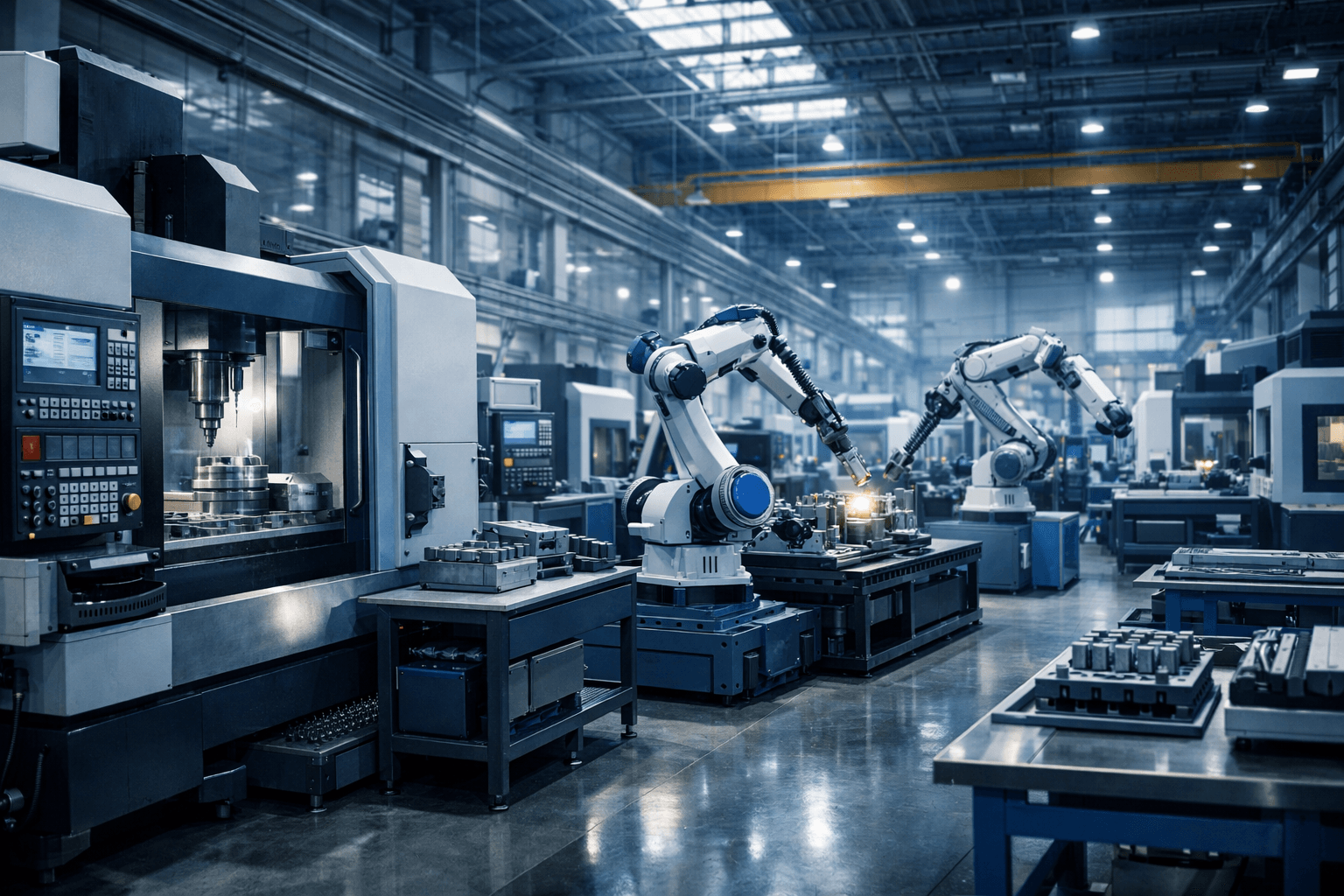
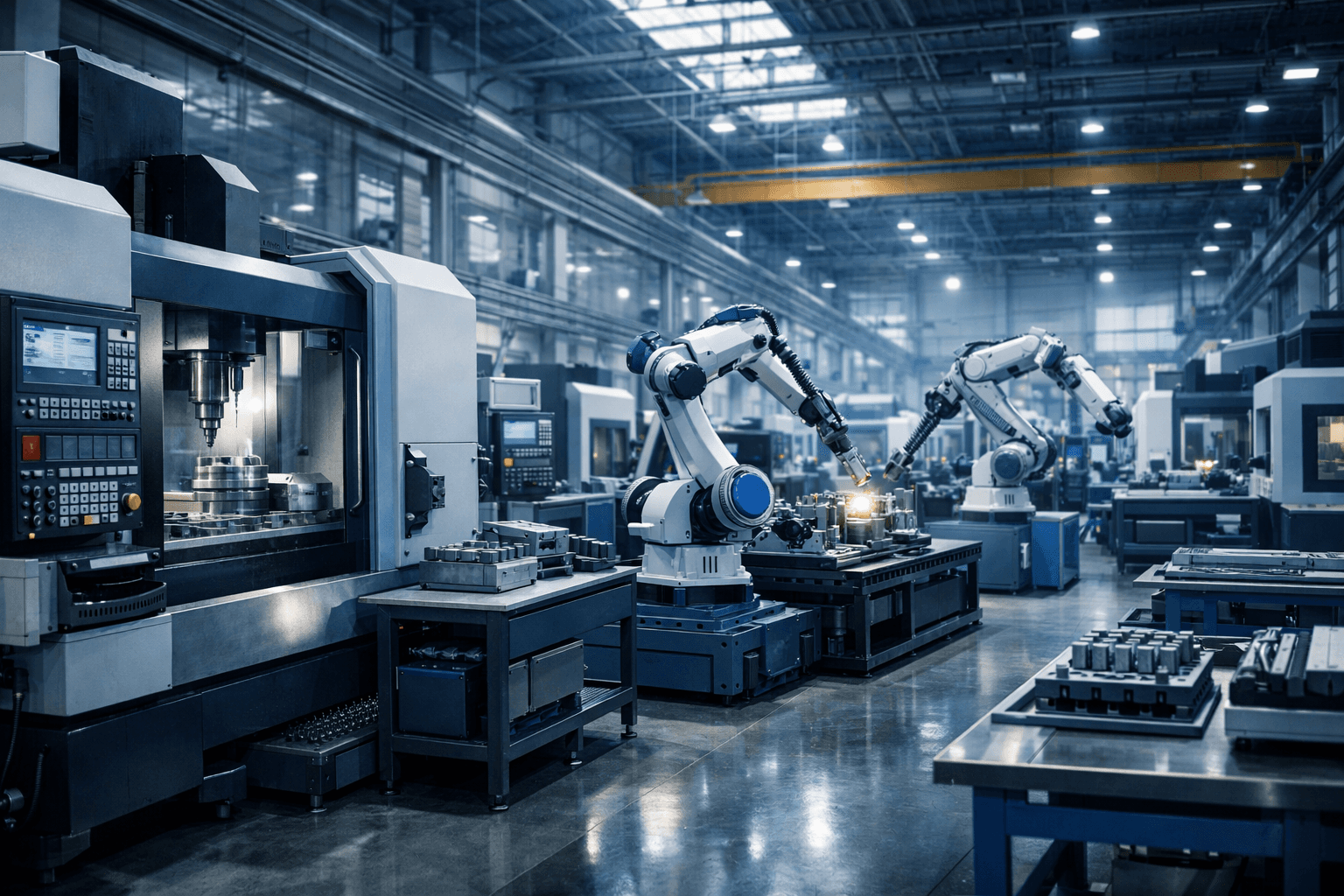
At the current stage, China is already a high-tech manufacturing country. Robotized factories, automated production lines, artificial intelligence, and data-based management systems have become an integral part of Chinese industry. In many areas, Chinese companies are no longer just manufacturers, but also innovators.
The question of quality: what should be the approach
One of the most common misconceptions about Chinese equipment is that they are all of the same quality. In fact, the Chinese market has a multi-level and complex structure.
Within the same product category, there are different quality levels, and these levels are mainly determined by price, components used, and manufacturing technology. Low-end products offer minimal functionality and are intended for short-term use. These types of products are more suitable for small projects or temporary solutions.
Mid-end products already meet industry standards and have a wide range of applications. These devices offer an optimal price-quality balance and are the most widely used category in the B2B market.
The premium segment includes high-performance and long-lasting devices that fully comply with international standards. Chinese products in this category often compete with European counterparts.
Therefore, the correct approach is not to make a general assessment such as “Is a Chinese product good or bad”, but to conduct an analysis for a specific manufacturer and a specific model.
The main reasons for the price advantage
The competitive advantage of Chinese-made devices in terms of price is the result of several fundamental factors. The most important factor is the possibility of mass production. Large-scale production reduces the cost per product, which directly affects the final price.
Another important factor is government policy. The Chinese government has identified the industrial sector as a strategic priority and has provided extensive support to this area. Subsidies, tax breaks, and infrastructure investments help reduce production costs.
In addition, the extensive and integrated supply chain formed within China ensures the rapid and cheap acquisition of components. This makes the production process more flexible and efficient.
Logistics infrastructure also plays a special role. China's ports, railway networks, and air transport are optimized for global trade. This speeds up the export process and reduces overall costs.