
1 USD = N/A1 EUR = N/A1 CNY = N/A
0

From the industrial world news

Latest industrial trends, technological innovations and professional advice

OEM and ODM Manufacturing: Differences, Advantages, and the Right Selection Strategy for Business
08.04.2026

OEM and ODM Manufacturing: Differences, Advantages, and the Right Selection Strategy for Business

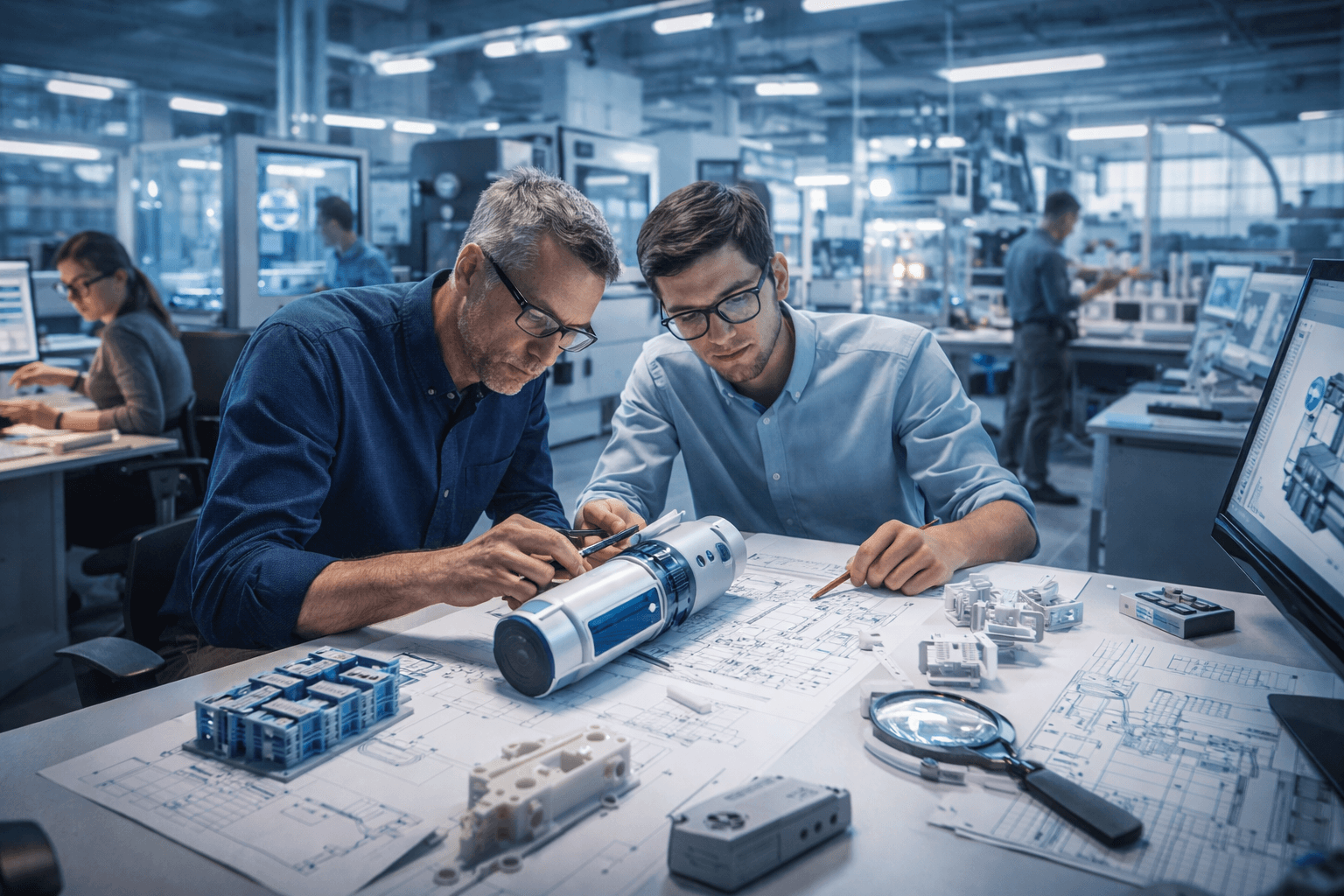
In the global manufacturing and supply chain system, OEM and ODM models have become one of the most widely used approaches in the B2B sector in recent years.Especially in the Chinese market, these models are widely adopted and provide flexible opportunities for different types of businesses.Many companies know these concepts only as terms, but their practical business applications and strategic differences are not fully understood. However, choosing between OEM and ODM directly affects a company’s market position, product strategy, and future growth.This article explains the differences between OEM and ODM models, their advantages, and which model should be selected in different business situations.What Is the OEM Model?OEM (Original Equipment Manufacturer) refers to a manufacturing model where products are produced based on an existing design.In this model, the manufacturer produces an already developed product, and the customer brings that product to the market under its own brand.This approach is especially suitable for companies that want to enter the market quickly because the product development stage has already been completed and only branding is required.The main advantages of the OEM model are speed and lower risks. However, customization opportunities are limited.What Is the ODM Model?ODM (Original Design Manufacturer) is a more complex approach.In this model, the product is designed from scratch or developed based on an existing platform according to the customer’s requirements.This approach allows companies to differentiate themselves in the market. The product becomes unique not only in functionality but also in design and technology.The ODM model requires more investment and time, but it creates higher long-term value.Main Differences Between OEM and ODMIn the OEM model, the product already exists and the main changes are related to branding.In the ODM model, the product itself is modified and customized.OEM is faster and involves lower risks, while ODM is a more strategic and differentiation-focused approach.With OEM, market entry happens faster, while ODM requires additional time for product development.
Read more
China-made industrial equipment: professional analysis of the balance of quality and price
08.04.2026

China-made industrial equipment: professional analysis of the balance of quality and price

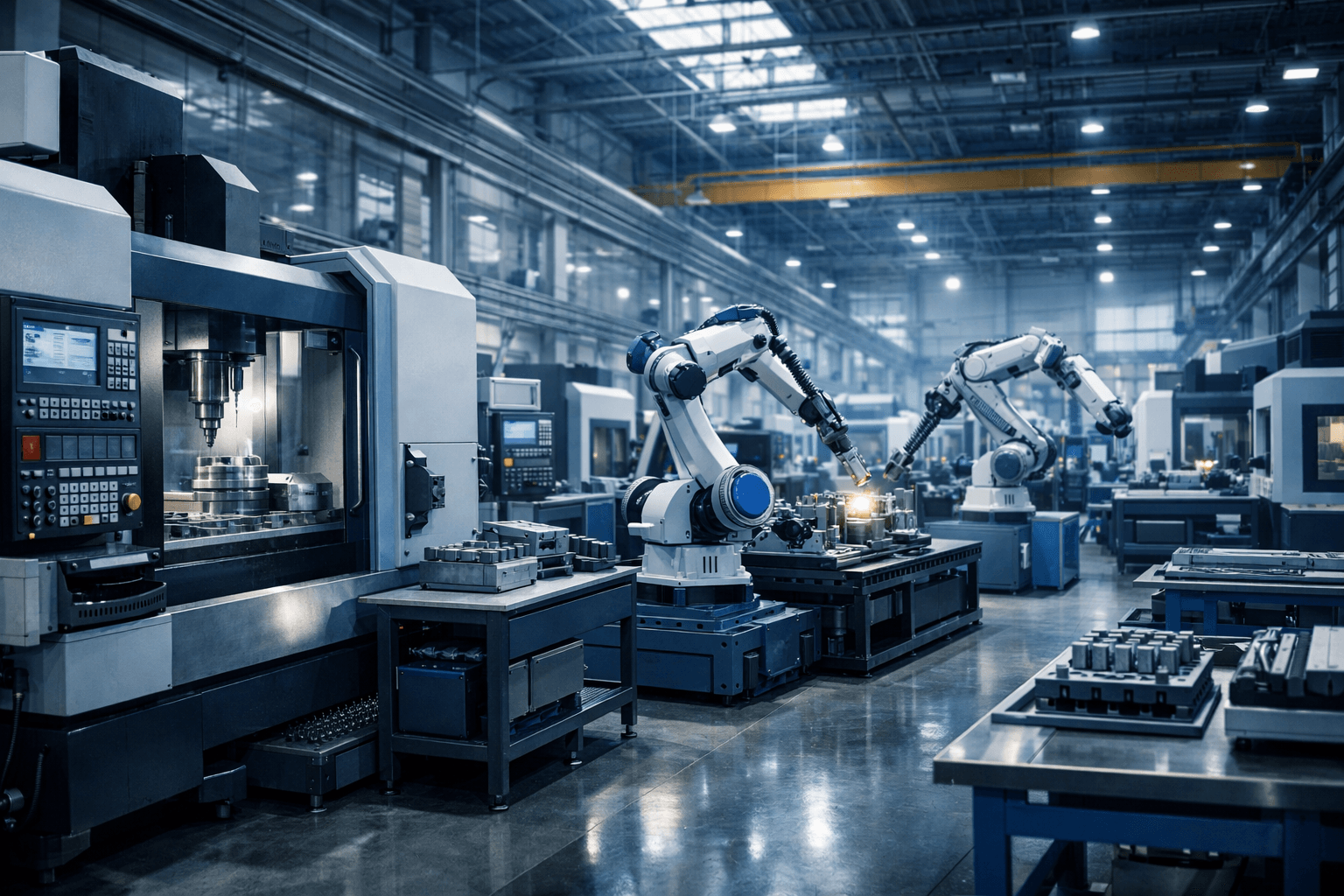
At the current stage, China is already a high-tech manufacturing country. Robotized factories, automated production lines, artificial intelligence, and data-based management systems have become an integral part of Chinese industry. In many areas, Chinese companies are no longer just manufacturers, but also innovators.The question of quality: what should be the approachOne of the most common misconceptions about Chinese equipment is that they are all of the same quality. In fact, the Chinese market has a multi-level and complex structure.Within the same product category, there are different quality levels, and these levels are mainly determined by price, components used, and manufacturing technology. Low-end products offer minimal functionality and are intended for short-term use. These types of products are more suitable for small projects or temporary solutions.Mid-end products already meet industry standards and have a wide range of applications. These devices offer an optimal price-quality balance and are the most widely used category in the B2B market.The premium segment includes high-performance and long-lasting devices that fully comply with international standards. Chinese products in this category often compete with European counterparts.Therefore, the correct approach is not to make a general assessment such as “Is a Chinese product good or bad”, but to conduct an analysis for a specific manufacturer and a specific model.The main reasons for the price advantageThe competitive advantage of Chinese-made devices in terms of price is the result of several fundamental factors. The most important factor is the possibility of mass production. Large-scale production reduces the cost per product, which directly affects the final price.Another important factor is government policy. The Chinese government has identified the industrial sector as a strategic priority and has provided extensive support to this area. Subsidies, tax breaks, and infrastructure investments help reduce production costs.In addition, the extensive and integrated supply chain formed within China ensures the rapid and cheap acquisition of components. This makes the production process more flexible and efficient.Logistics infrastructure also plays a special role. China's ports, railway networks, and air transport are optimized for global trade. This speeds up the export process and reduces overall costs.

Read more