
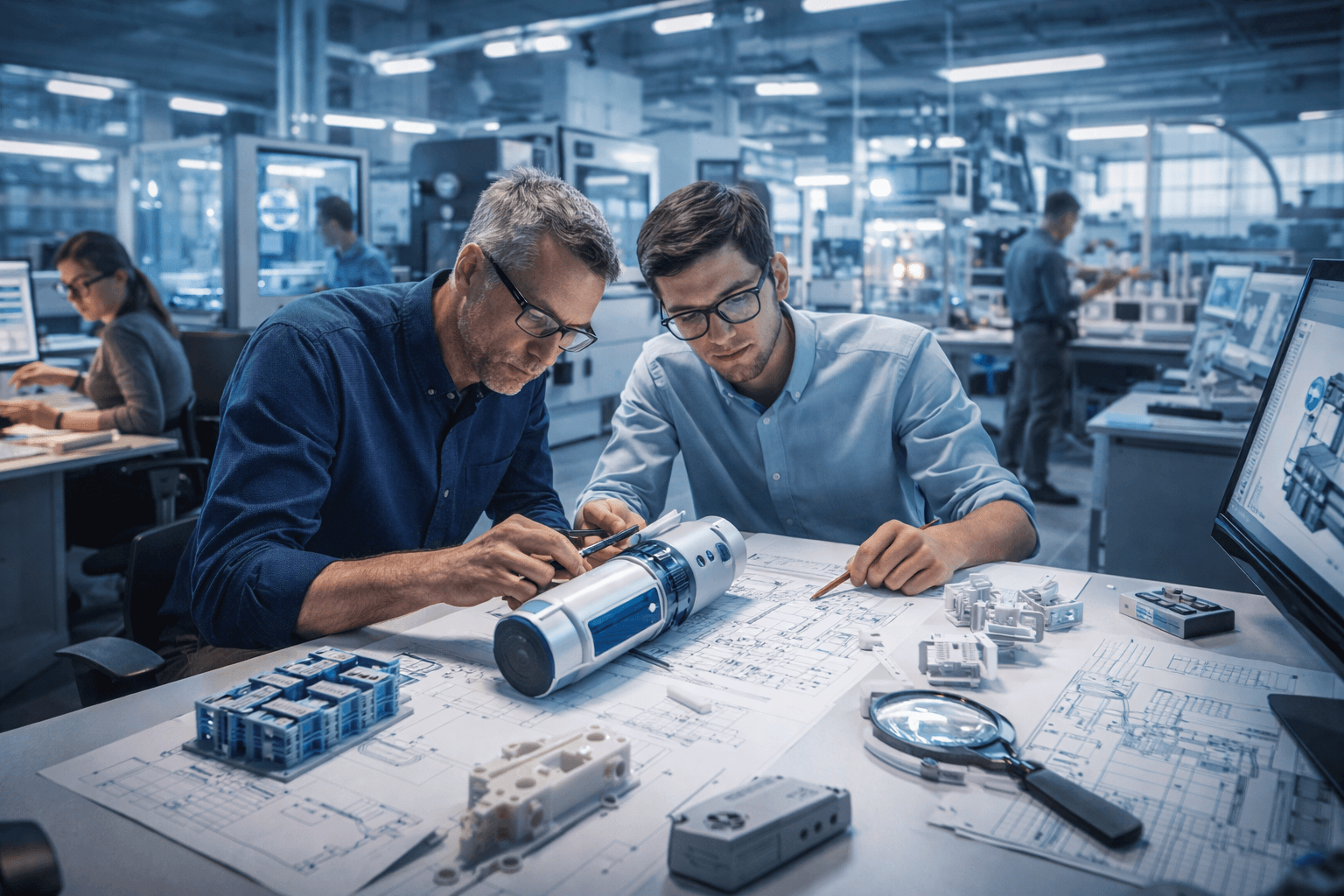
In the global manufacturing and supply chain system, OEM and ODM models have become one of the most widely used approaches in the B2B sector in recent years.
Especially in the Chinese market, these models are widely adopted and provide flexible opportunities for different types of businesses.
Many companies know these concepts only as terms, but their practical business applications and strategic differences are not fully understood. However, choosing between OEM and ODM directly affects a company’s market position, product strategy, and future growth.
This article explains the differences between OEM and ODM models, their advantages, and which model should be selected in different business situations.
What Is the OEM Model?
OEM (Original Equipment Manufacturer) refers to a manufacturing model where products are produced based on an existing design.
In this model, the manufacturer produces an already developed product, and the customer brings that product to the market under its own brand.
This approach is especially suitable for companies that want to enter the market quickly because the product development stage has already been completed and only branding is required.
The main advantages of the OEM model are speed and lower risks. However, customization opportunities are limited.
What Is the ODM Model?
ODM (Original Design Manufacturer) is a more complex approach.
In this model, the product is designed from scratch or developed based on an existing platform according to the customer’s requirements.
This approach allows companies to differentiate themselves in the market. The product becomes unique not only in functionality but also in design and technology.
The ODM model requires more investment and time, but it creates higher long-term value.
Main Differences Between OEM and ODM
In the OEM model, the product already exists and the main changes are related to branding.
In the ODM model, the product itself is modified and customized.
OEM is faster and involves lower risks, while ODM is a more strategic and differentiation-focused approach.
With OEM, market entry happens faster, while ODM requires additional time for product development.
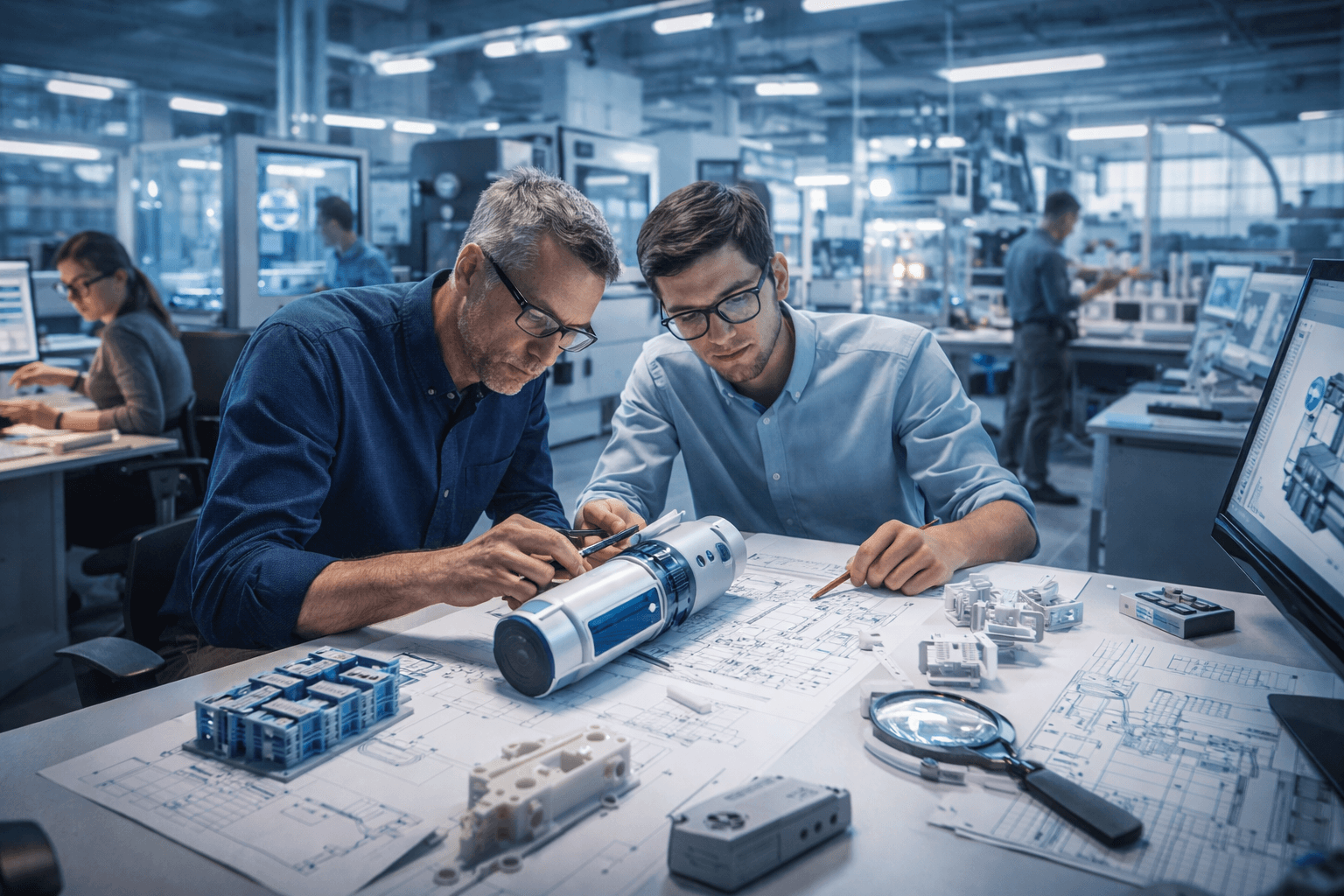
Which Model Should Be Chosen?
The choice depends on business goals.
If the goal is to enter the market quickly and start sales with minimal risk, OEM is a more suitable option.
If the goal is to build a long-term brand and differentiate from competitors, ODM is a more effective approach.
Many companies start with OEM and later transition to ODM.
OEM and ODM in the Chinese Market
China is a global leader in OEM and ODM manufacturing.
Thousands of factories provide these services and offer different levels of customization.
However, selecting the right partner is the key factor in this market.
Most Common Mistakes
Companies often misunderstand the difference between OEM and ODM and make the wrong choice.
Another common mistake is insufficient technical control during the manufacturing process.
ARTEK Approach
ARTEK determines the most suitable OEM or ODM strategy according to the customer’s business model and manages the entire process.
Conclusion
OEM and ODM are not only manufacturing models — they are business strategies.